I/ Rapid Urbanization and Industrial Growth
The Industrial Revolution first developed in England at the beginning of the XIXe century.
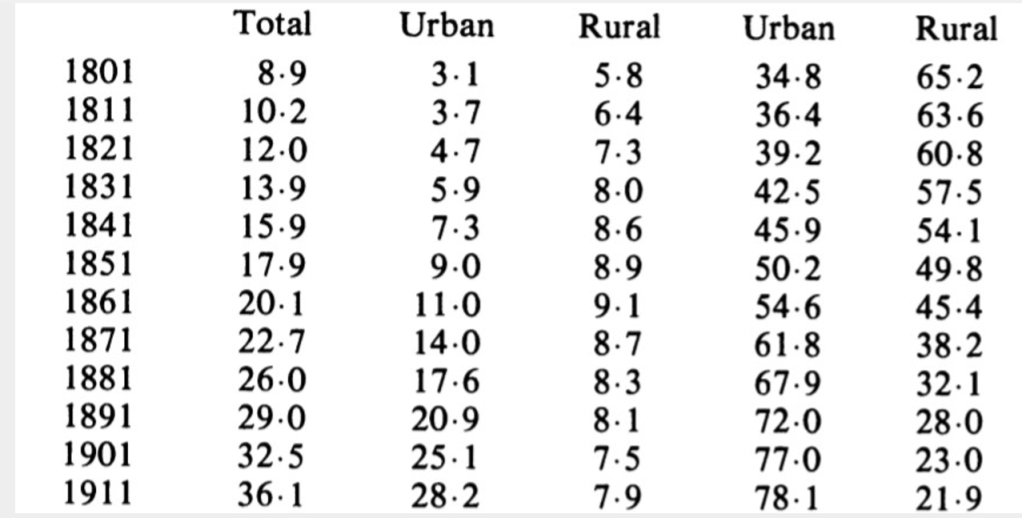
It mainly grew in cities, where factories were built close to coal mines and rivers.
Cities like Manchester, Birmingham and Liverpool became important industrial centers.
Many people moved from the countryside to these cities to find work in factories.
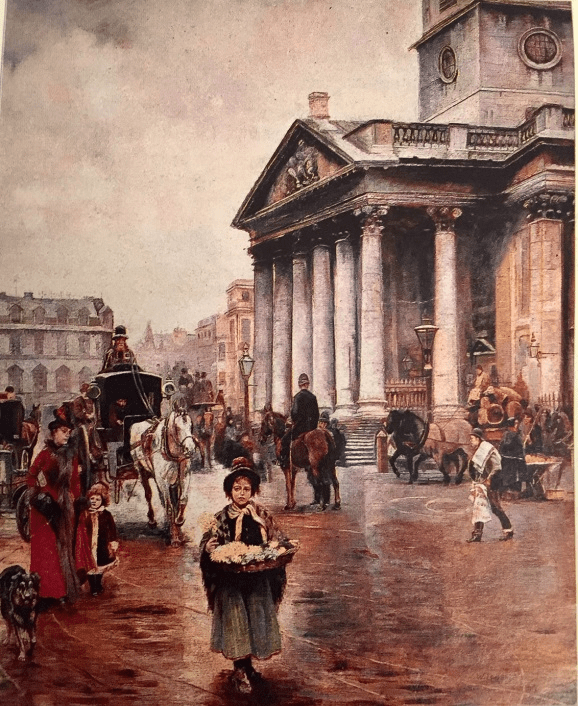
As a result, cities expanded quickly and became the heart of industrial production.
II/ Social Challenges and Living Condition
II/ Social Challenges and Living Conditions
During the early XIXe century, especially between 1800 and 1850, industrial cities faced many serious social problems.
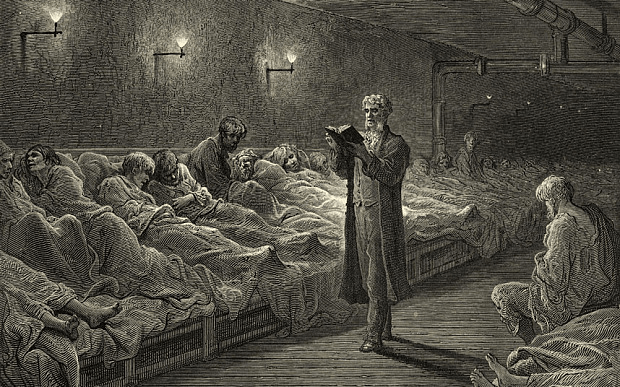
Workers lived in overcrowded and unhealthy slums close to factories, with poor housing and little access to clean water or sanitation.
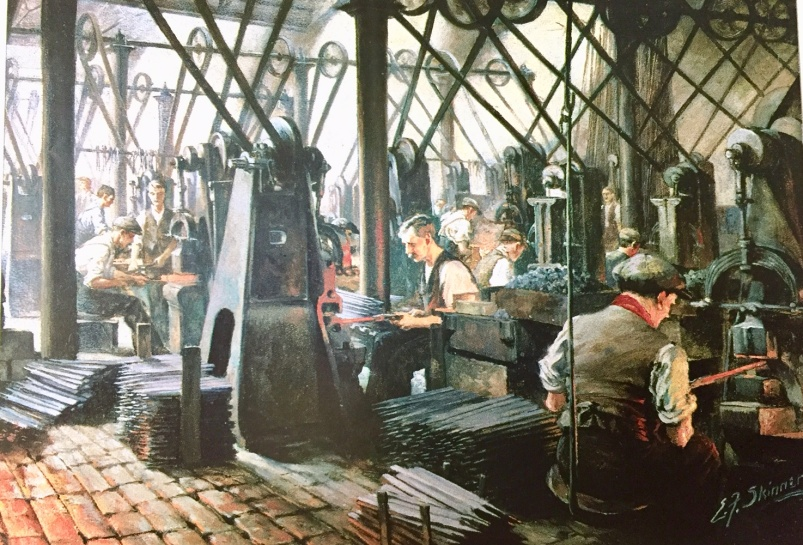
Working conditions were extremely harsh: adults often worked 12 to 16 hours a day for very low wages.
Child labor was widespread, particularly in textile factories and coal mines. Children as young as 6 or 7 years old worked long hours, often in dangerous conditions, because they were cheaper to employ and easier to control.
From the 1830s and 1840s, laws such as the Factory Acts in England began to limit child labor and improve working conditions, but life for the working class remained very difficult.
III/ Writers’ Perspectives on the Industrial Era
Documents


WORD BOX
- Industrial Revolution – The period of rapid industrial growth and urbanization in the 18th–19th centuries.
- Urbanization – The process of cities growing quickly as people move from rural areas to work in factories.
- Textile Industry – The production of cloth and clothing, a key driver of industrial growth in Manchester.
- Factory / Mill – Large buildings where goods like cloth, machinery, or tools are made using machines.
- Workshop of the World – A nickname for Birmingham, showing it produced many goods for Britain and abroad.
- Railway / Steam Engine – New transport technologies that moved people and goods faster, reducing costs.
- Coal and Iron – Essential resources powering steam engines and industrial machinery.
- Slums / Overcrowding – Poor, densely populated housing conditions for workers in industrial cities.
- Sanitation / Pollution – Cleanliness issues and environmental damage caused by factories and urban growth.
- Child Labor – Children working long hours in dangerous conditions during the Industrial Revolution.
- Labor Movements / Trade Unions – Groups formed to fight for better wages, hours, and working conditions.
- Peterloo Massacre (1819) – A protest in Manchester where cavalry attacked pro-democracy demonstrators, symbolizing workers’ struggles.
- Social Reform / Factory Act of 1833 – Early government laws to improve workers’ lives, like limiting child labor.
- Writers and Reformers – People like Dickens, Gaskell, and Engels who highlighted the social costs of industrialization.
- Great Exhibition of 1851 – A world fair in London celebrating British inventions, machinery, and industrial achievements.
 Picard HG/HGGSP