I. Spectacular Landscapes and Rural Tourism
II. Environmental Pressures and Resource Exploitation
III. Indigenous Struggles and Historical Injustices
Documents

Word box
- White Man’s Burden – The idea that Europeans had a moral duty to “civilize” other peoples, used to justify imperialism.
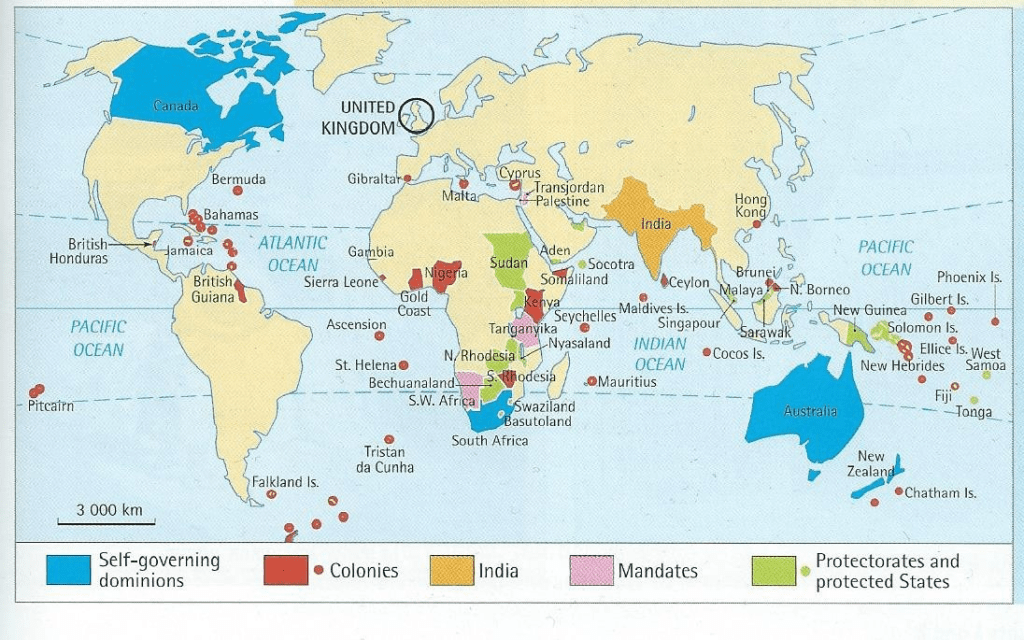
- Three C’s (Civilization, Christianity, Commerce) – The framework Britain claimed justified colonization: spreading culture, religion, and trade.
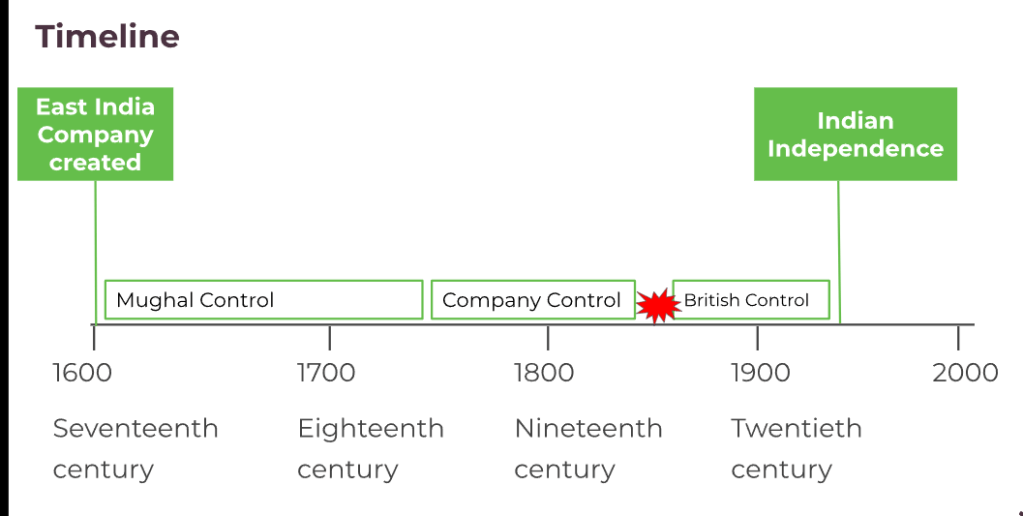
- East India Company – A British company that ruled India indirectly before the Crown, trading goods and controlling armies.
- Sepoys – Indian soldiers employed by the British or the East India Company.
- Bengal Famine of 1770 – A catastrophic famine caused partly by East India Company policies, killing millions.
- Great Rebellion of 1857 – Also called the Indian Mutiny; a large-scale uprising against British rule by soldiers, peasants, and local rulers.
- British Raj – Direct rule of India by the British government after 1858.
- Doctrine of Lapse – British policy allowing annexation of princely states without a male heir.
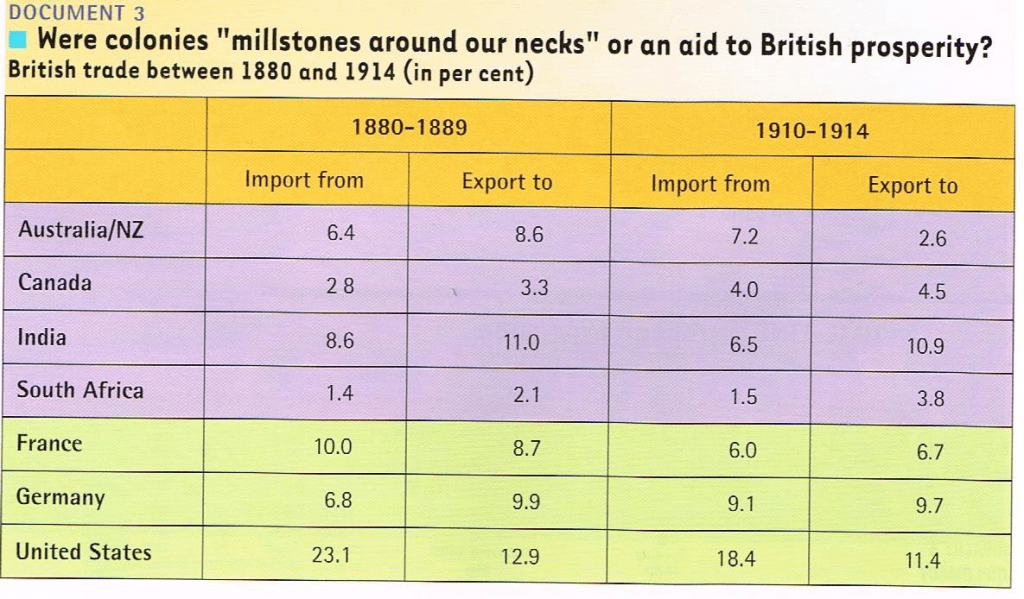
- Deindustrialization – Decline of traditional Indian industries due to competition from British manufactured goods.
- Cash Crops – Crops like cotton, indigo, and opium grown for export rather than local consumption.
- Indian National Congress (INC) – Political organization founded in 1885, initially seeking reform but later demanding independence.
- Partition of Bengal (1905) – British division of Bengal to exploit religious divisions, leading to protests and boycotts.
- Swadeshi Movement – Indian movement promoting local goods and boycotting British products as resistance.
- Infrastructure under British rule – Railways, canals, and telegraphs built mainly to extract resources for Britain.
- Social Reforms (Sati Abolition, Age of Consent Act) – British laws changing Indian social practices, often disrupting traditional systems.
 Picard HG/HGGSP