I. The context and purpose of the Third Crusade
II. A campaign of brutal warfare
III. The Third Crusade — a victory or a defeat?
Documents
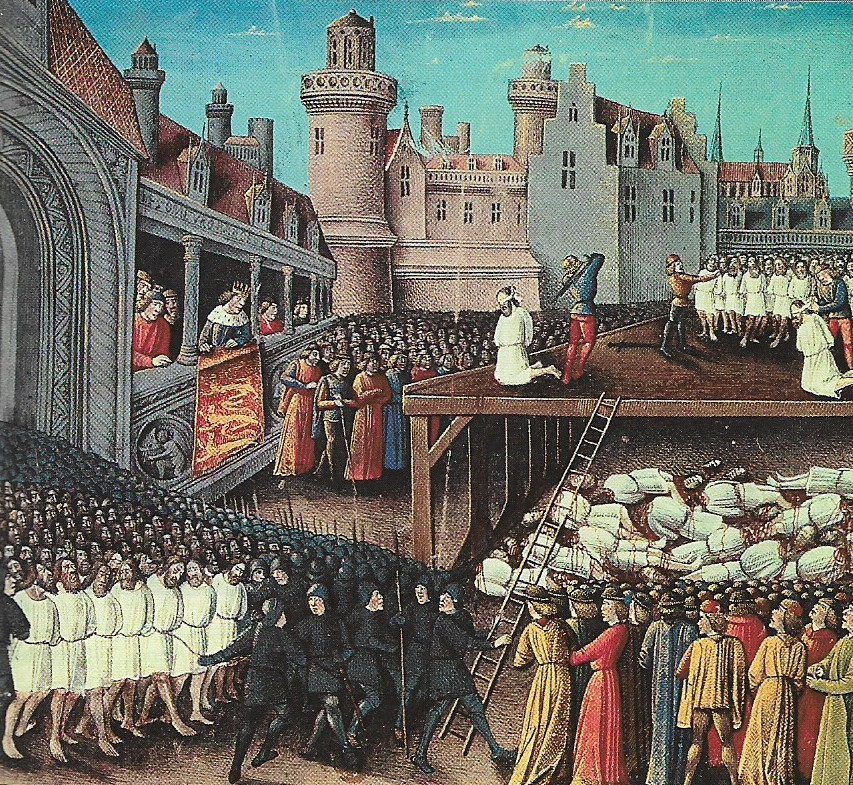
Manuscript, 1490, Bibliothèque nationale de France, Paris.
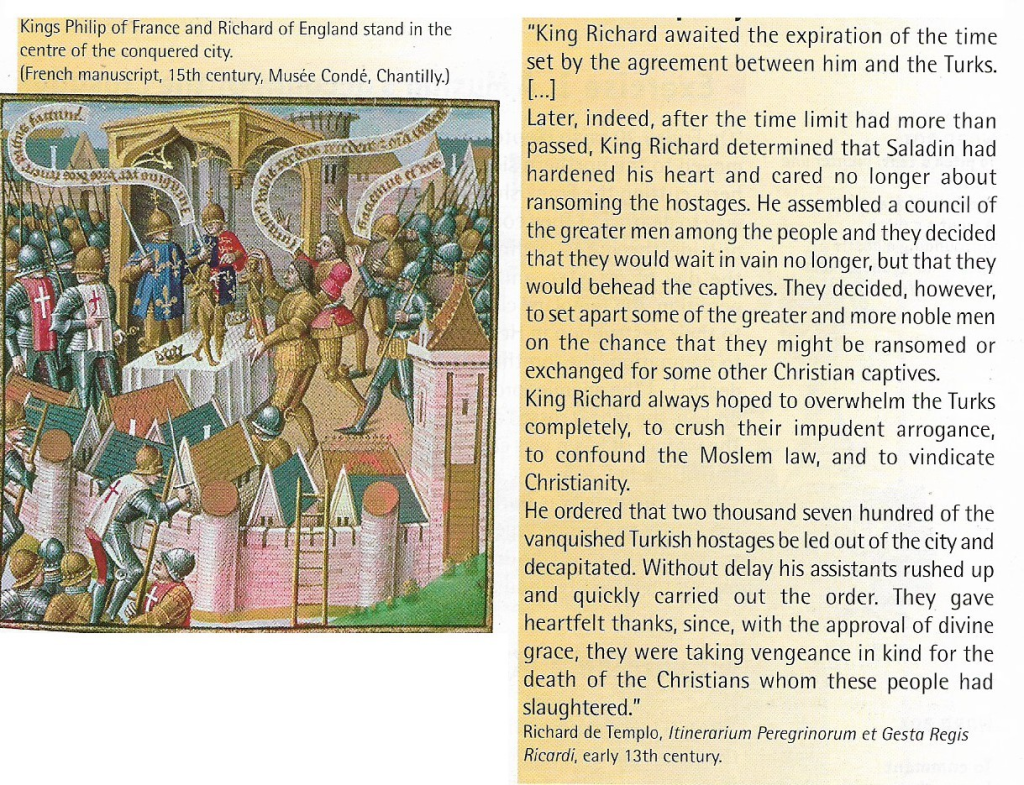
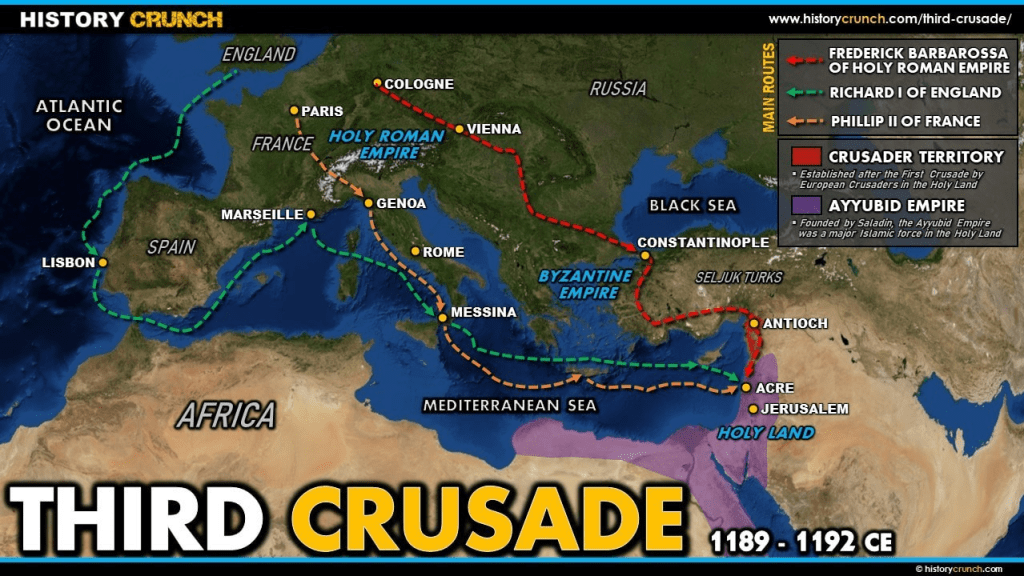
Word box
- Crusades – A series of religious wars between Christians and Muslims to capture holy sites, especially Jerusalem.
- Jerusalem – A holy city for both Christians (Jesus’ crucifixion) and Muslims (Al-Aqsa Mosque, Dome of the Rock).
- Pope Urban II – The pope who called for the First Crusade in 1095 at the Council of Clermont.
- Crusader states – Christian territories established after the First Crusade, like the Kingdom of Jerusalem and the County of Tripoli.
- Saladin – Muslim sultan of Egypt and Syria who recaptured Jerusalem in 1187.
- Third Crusade – Military campaign (1189–1192) led by Richard I, Philip II, and Frederick Barbarossa to recapture Jerusalem.
- Richard the Lionheart – King of England and main leader of the Third Crusade after Frederick and Philip left.
- Siege of Acre – A key military battle (1189–1191) where Crusaders captured a fortified city to secure access to Jerusalem.
- Battle of Arsuf – A significant victory for Richard’s army over Saladin using disciplined tactics and heavy cavalry.
- Truce of 1192 – Agreement allowing Christian pilgrims safe access to Jerusalem, while Muslims kept control of the city.
- Acre, Jaffa, Ascalon – Coastal cities controlled by Crusaders that served as strategic strongholds.
- Ransom of Richard – The huge sum paid to release Richard I after his capture, showing his political importance.
- Taxation and war financing – Heavy taxes in England to fund the Crusade, influencing future war funding methods.
- Magna Carta (1215) – Document limiting royal power and guaranteeing certain rights, influenced by unrest during Richard’s absence and King John’s poor rule.
 Picard HG/HGGSP