I/ The world’s most crossed border, with significant economic importance
II/ A border affected by crime and danger
III/ Trump’s current policies increasing tensions
Documents
Word box
- U.S.–Mexico border : 3,000 km boundary from the Gulf of Mexico to the Pacific Ocean.
- Maquiladora : Factory in Mexico assembling goods for export, mainly electronics, cars, and textiles.
- NAFTA / USMCA : Trade agreements between U.S., Mexico, and Canada (NAFTA 1994 → USMCA 2020).
- Twin cities : Cities on both sides of the border with strong economic and social connections (e.g., San Diego–Tijuana).
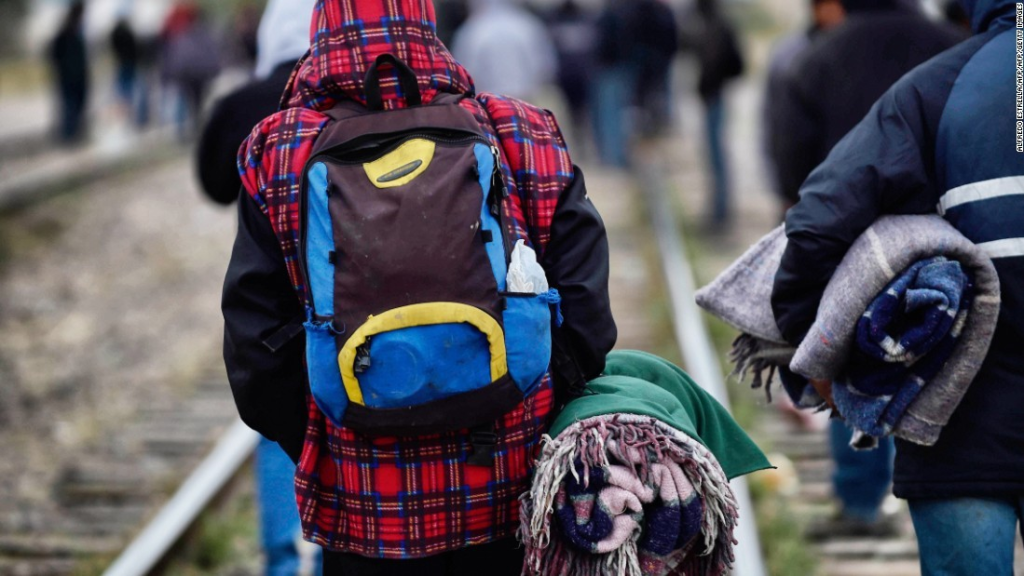
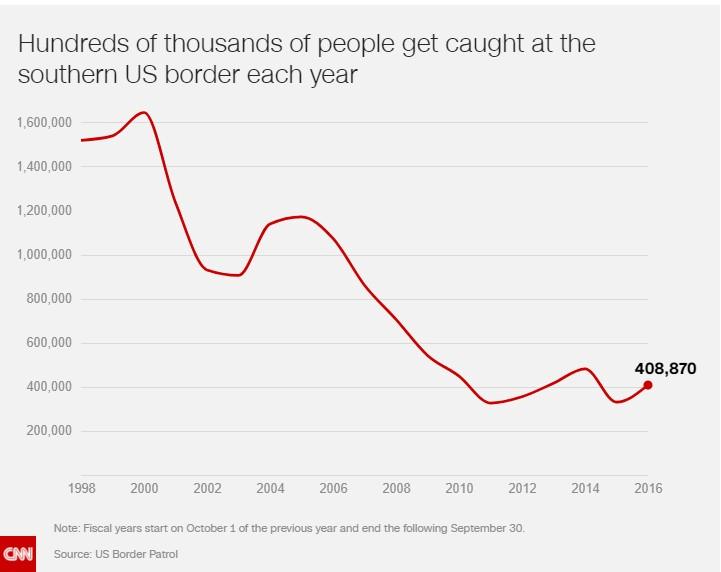
- Migration : Movement of people across the border for work, education, or safety.
- Remittances : Money sent by migrants from the U.S. to support families in Mexico.
- Cartels : Criminal organizations controlling drug trafficking and exploiting migrants (e.g., Sinaloa, Jalisco New Generation).
- Drug trafficking : Illegal trade of drugs like heroin, cocaine, meth, and fentanyl across the border.
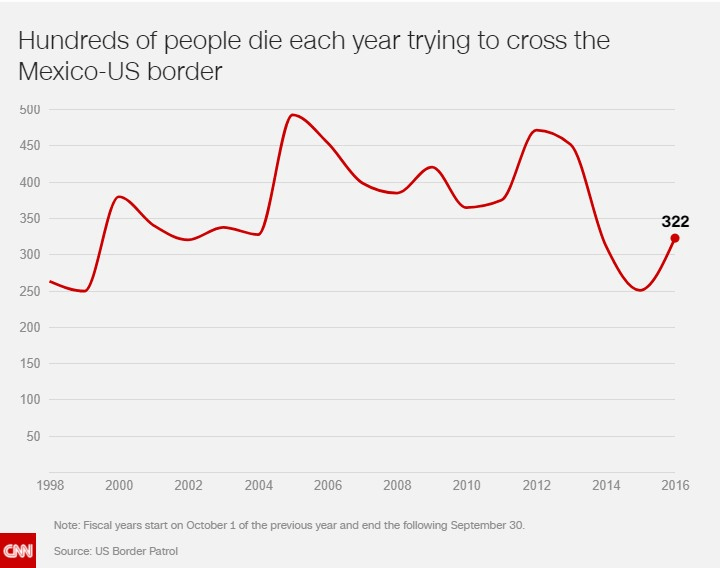
- Migrant dangers : Risks migrants face, such as dehydration, extreme heat, dangerous rivers, and mountains.
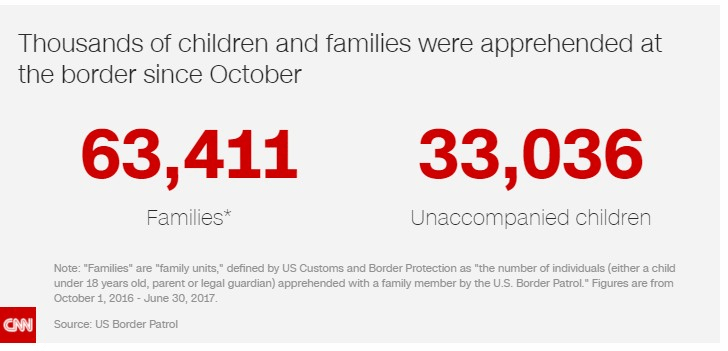
- Migrant detention centers : Facilities holding migrants; often criticized for overcrowding, poor sanitation, and limited healthcare.
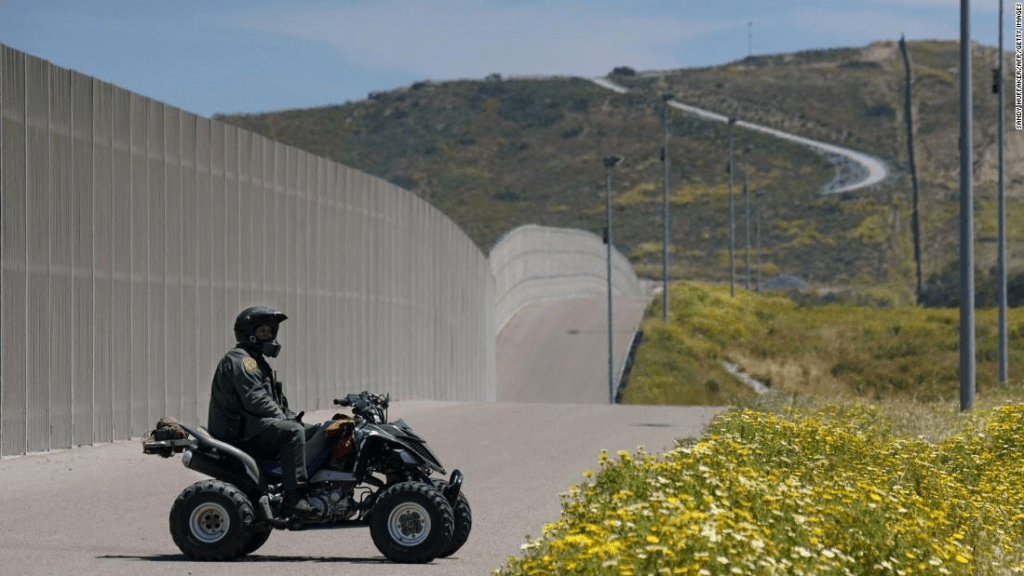
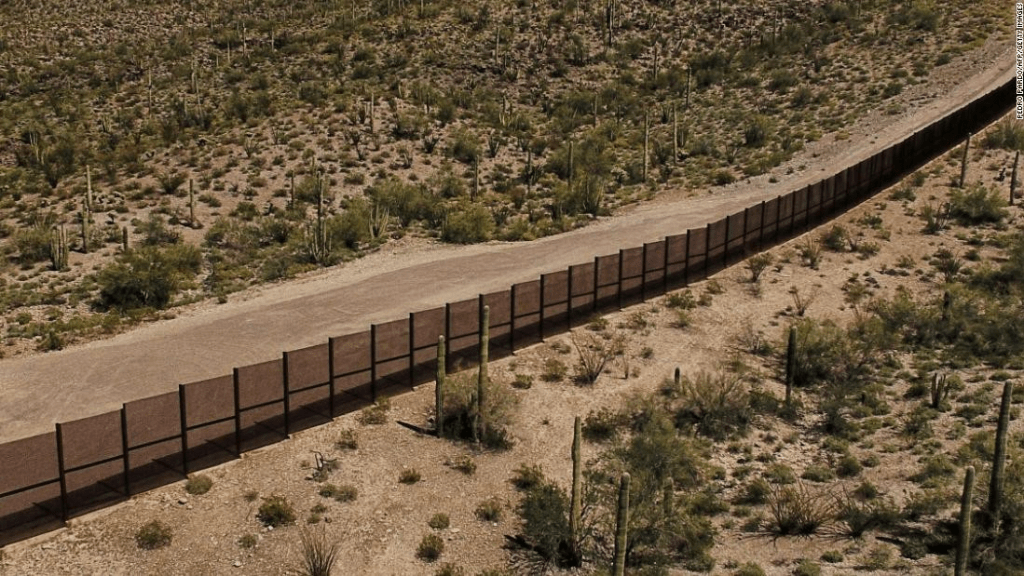
- Border wall / barriers : Physical fences and walls built to control unauthorized crossings.
- National Defense Zones : Areas where the U.S. military has special powers to intercept and detain people (2025).
- Border security technology : Tools like drones, autonomous surveillance, and robotic “security dogs” to monitor the border.
- Humanitarian concerns : Issues like family separations, asylum requests, and safe treatment of migrants.
- Cross-border economy : Economic and social links between the U.S. and Mexico, including trade, labor, and culture.
 Picard HG/HGGSP