I. The Cold War Context
II. Political Conflicts and Violence
III. Cultural Revolutions and Social Change
Documents


Word box
- Cold War – A global ideological rivalry between capitalist USA and communist Soviet Union after World War II.
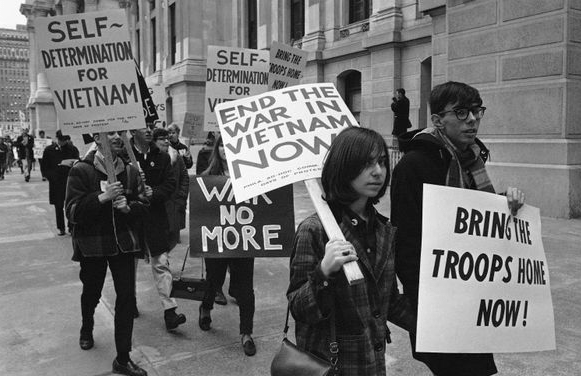
- Vietnam War – A conflict in Southeast Asia where the U.S. fought to prevent the spread of communism.
- Tet Offensive – A major 1968 North Vietnamese attack showing the Vietnam War was far from over.
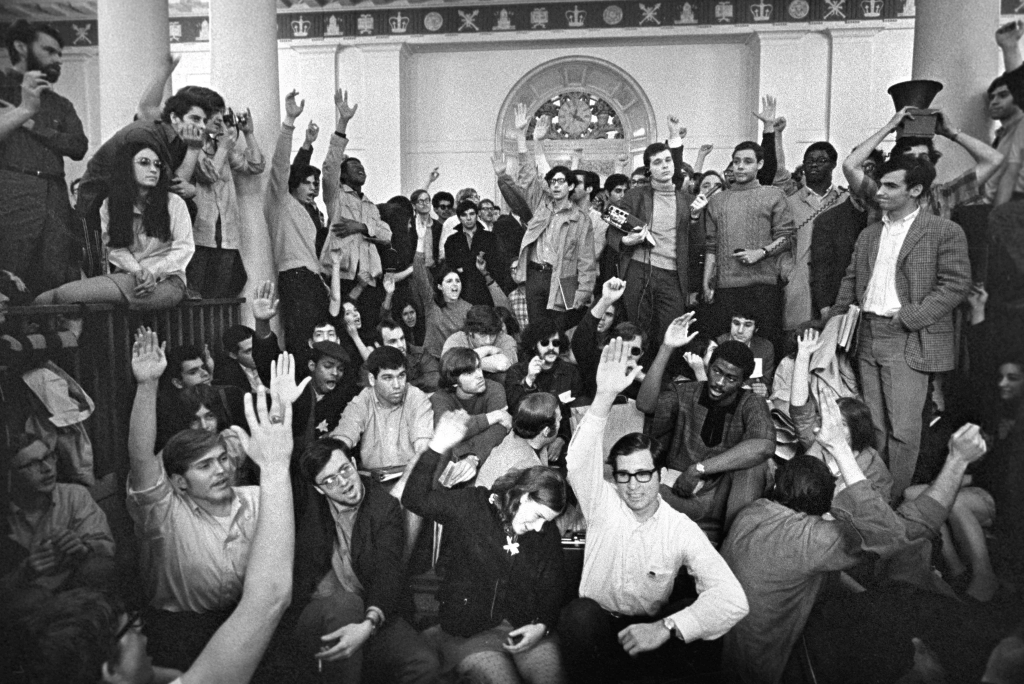
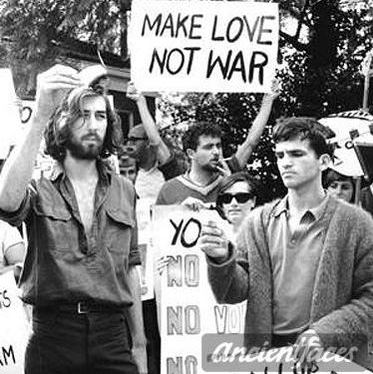
- Anti-war protests – Public demonstrations against the Vietnam War, often led by students and activists.
- Draft/Conscription – Mandatory military service; many young Americans avoided it by fleeing to Canada.
- Civil Rights Movement – A campaign to end racial discrimination and achieve equality in the U.S.
- Assassinations of 1968 – The murders of Martin Luther King Jr. and Robert F. Kennedy, causing national unrest.
- Student activism – University-led protests against war, inequality, and government policies.
- Counterculture – A youth movement rejecting traditional norms, emphasizing freedom, peace, and alternative lifestyles.
- Hippie movement – Part of counterculture promoting love, peace, communes, and opposition to consumerism and war.
- Yippies (Youth International Party) – Political activists combining counterculture ideas with theatrical protest and anti-war campaigns.
- Music and arts as protest – Artists like Hendrix, Joplin, and The Beatles used music to express political and cultural rebellion.
- Woodstock Festival – 1969 music festival symbolizing countercultural ideals of peace, freedom, and alternative living.
- Global student movements – International protests in France, Mexico, and Japan challenging authority and supporting social change.
- Second-Wave Feminism – The push for women’s rights in work, education, and legal equality during the 1960s–70s.
 Picard HG/HGGSP