DNL 1ère 2/ London, a Global City

I/ London: A Global Hub
II/ Social and Economic Challenges
III/ Urban Sustainability

Main question

=> Why is London the best example of metropolisation and its consequences?

Fist session

  • Read the documents and highlight the information that seems most useful to you.
  • Then, in pairs, write a debate between two Londoners: one defends metropolisation for their city as something great, while the other believes it causes problems for the population.
  • Use specific examples from the documents, and clearly define how metropolisation is taking place in London. You will present this in front of the class.

Documents

2020

Word box

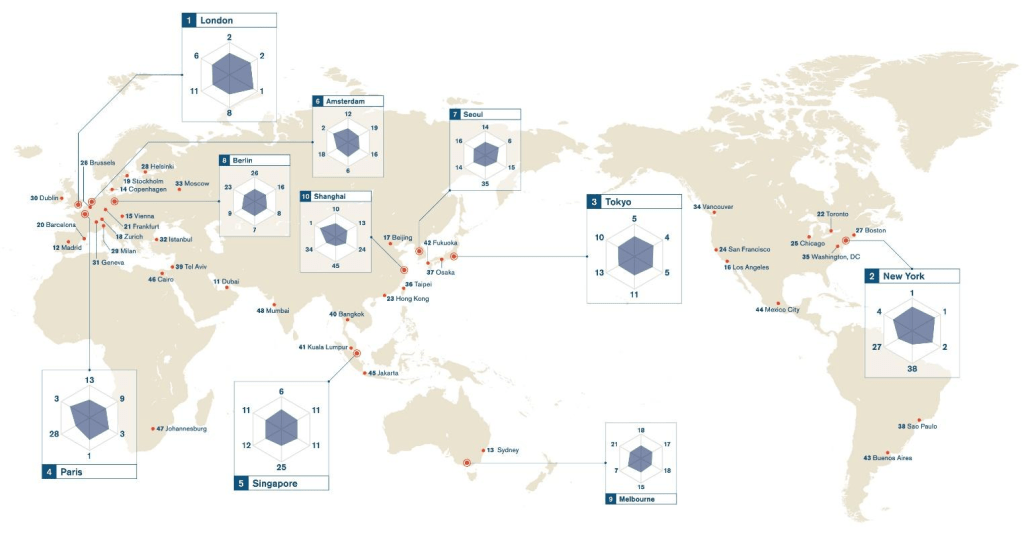
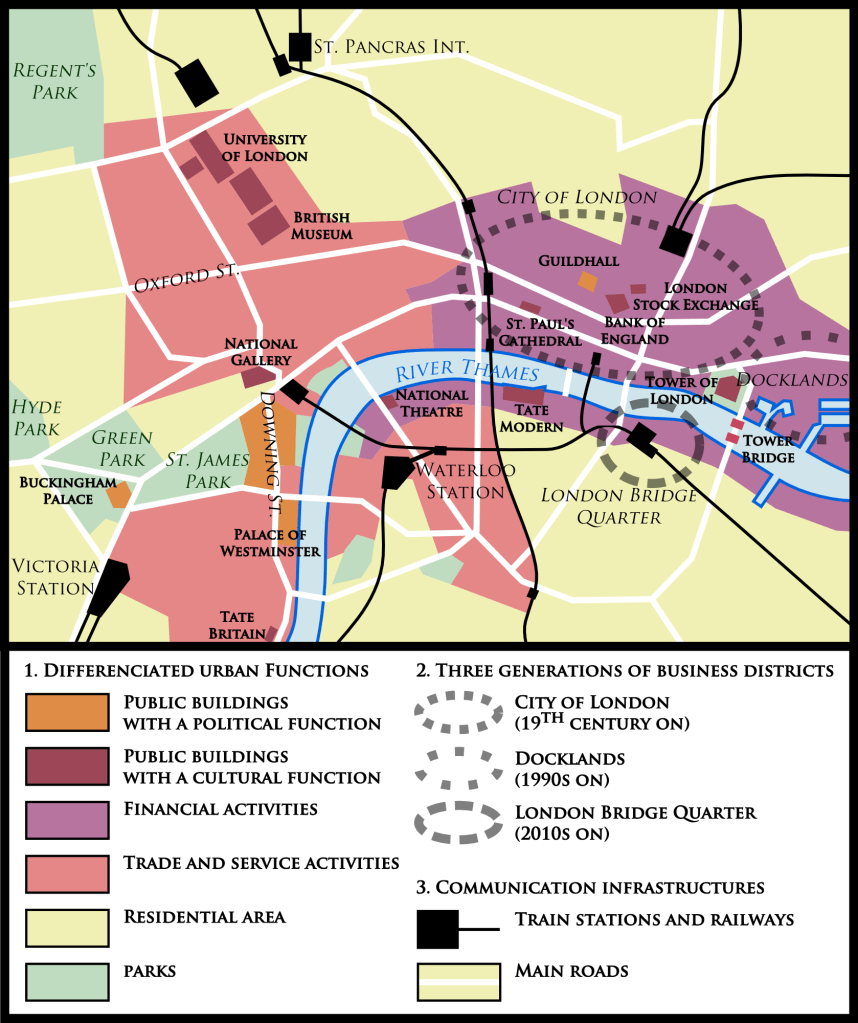
  • Global city: London is central to international finance, politics, and culture, connected to globalization.
  • Multicultural population: Residents from 270+ nationalities and 300+ languages fuel trade, tourism, innovation, arts, cuisine, and festivals.
  • Financial centers: The City of London and Canary Wharf host major banks and multinational corporations.
    Political centers: Parliament and Downing Street shape national and international decisions.
    Cultural events: Notting Hill Carnival, Chinese New Year in Chinatown.
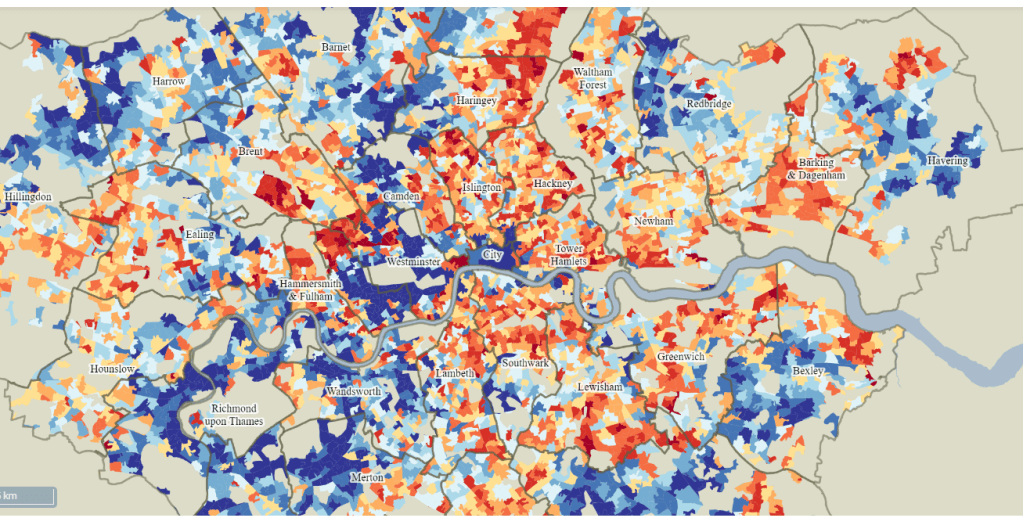
    Wealth distribution:
    West London (affluent): Kensington, Chelsea, Mayfair — luxury housing, elite schools.
    East London (working-class/industrial): Tower Hamlets, Newham, Hackney — some areas regenerated (Olympic Park, Canary Wharf).
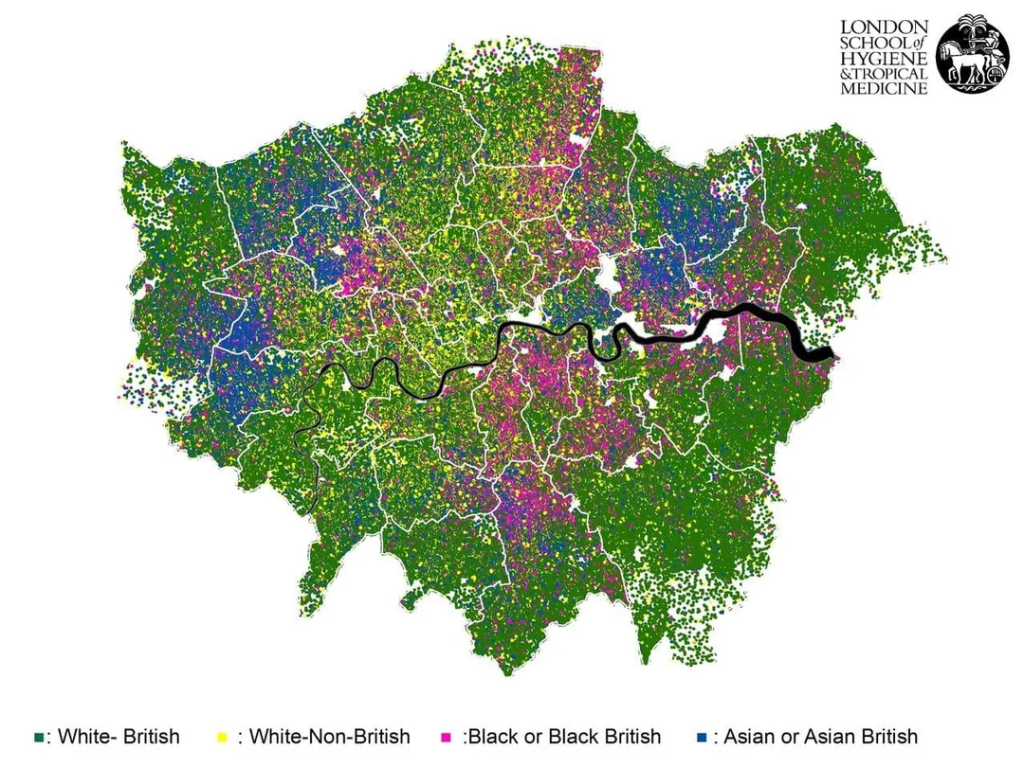
    Ethnic communities: Vibrant but often segregated (e.g., Brixton: Afro-Caribbean; Tower Hamlets: Bangladeshi), maintaining traditions but facing socio-economic inequalities.

    II. Social and Economic Challenges
    Economic inequality: Richest 10% hold over 50% of wealth; poorest 50% share 5%.
    Housing crisis:
    Average house price: £526,000 (2023), nearly double the UK average.
    Homeless population (2022): ~9,000 officially recorded, thousands more in temporary housing.
    Crime: Knife attacks and gang violence concentrated in Southwark, Newham, Lambeth.
    2021: 30 teenagers killed by knife attacks.
    Social segregation: Concentrated ethnic communities may face barriers to education, employment, and social mobility.
    Urban pressures: Traffic congestion, long commutes, air pollution affecting health and stress.
    Urban planning importance: Balancing global city status with sustainable development and social equity.

    III. Urban Sustainability
    Environmental challenges: Air pollution, flooding, climate change.
    Air pollution:
    January 2022 NO₂ levels 150% above WHO limit.
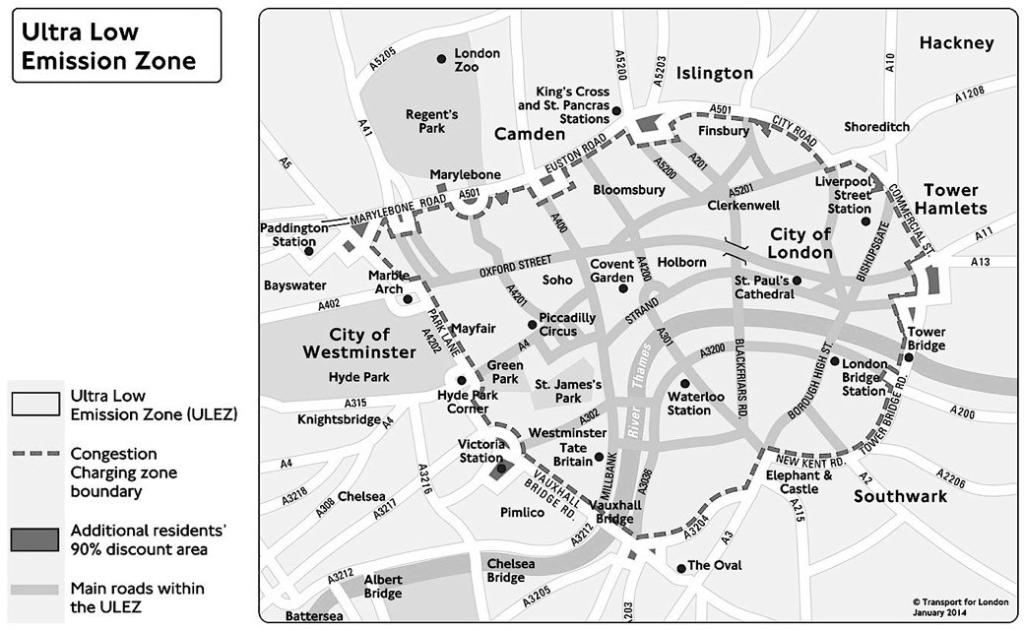
    Ultra Low Emission Zone (ULEZ) introduced 2019, expanded 2021 to reduce vehicle emissions.
    Flooding: Thames Barrier (since 1982) protects against rising sea levels and storm surges.
    Urban security: Terrorist attacks (London Bridge, Parsons Green, 2017) → increased police, emergency planning, vigilance.
    Housing pressure: 2 million people on waiting lists, rising homelessness.
    Crime: 50,000+ knife-enabled crimes in 2023/24 (4% increase from previous year).

Links and videos

Worksheets