Documents

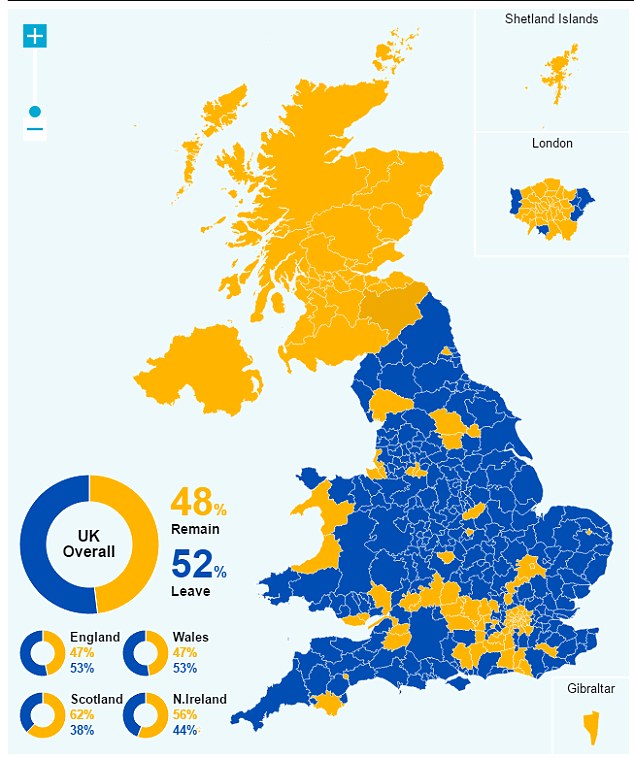
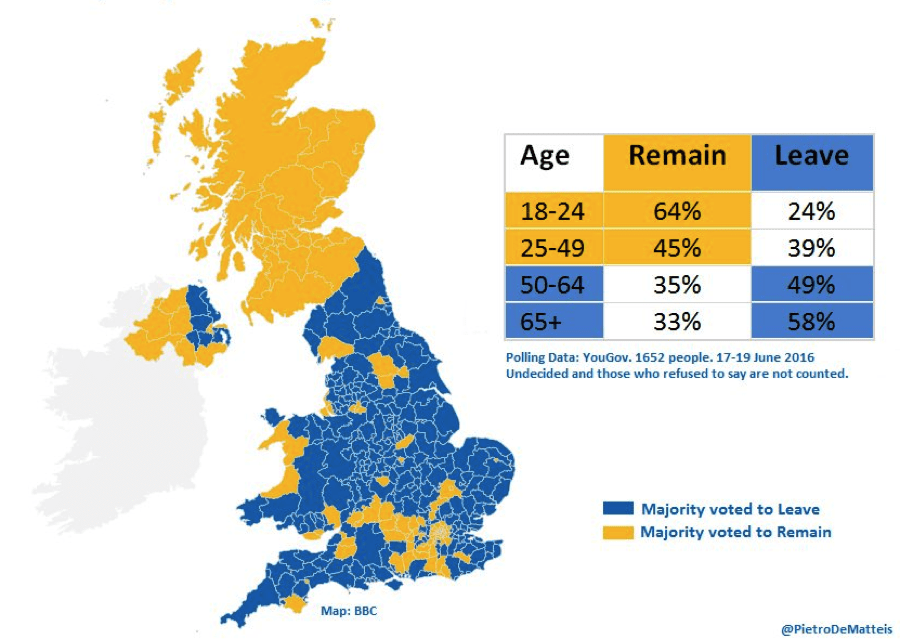
Word box
- European Economic Community (EEC) – A regional organization aimed at economic integration among European countries, which the UK joined in 1973.
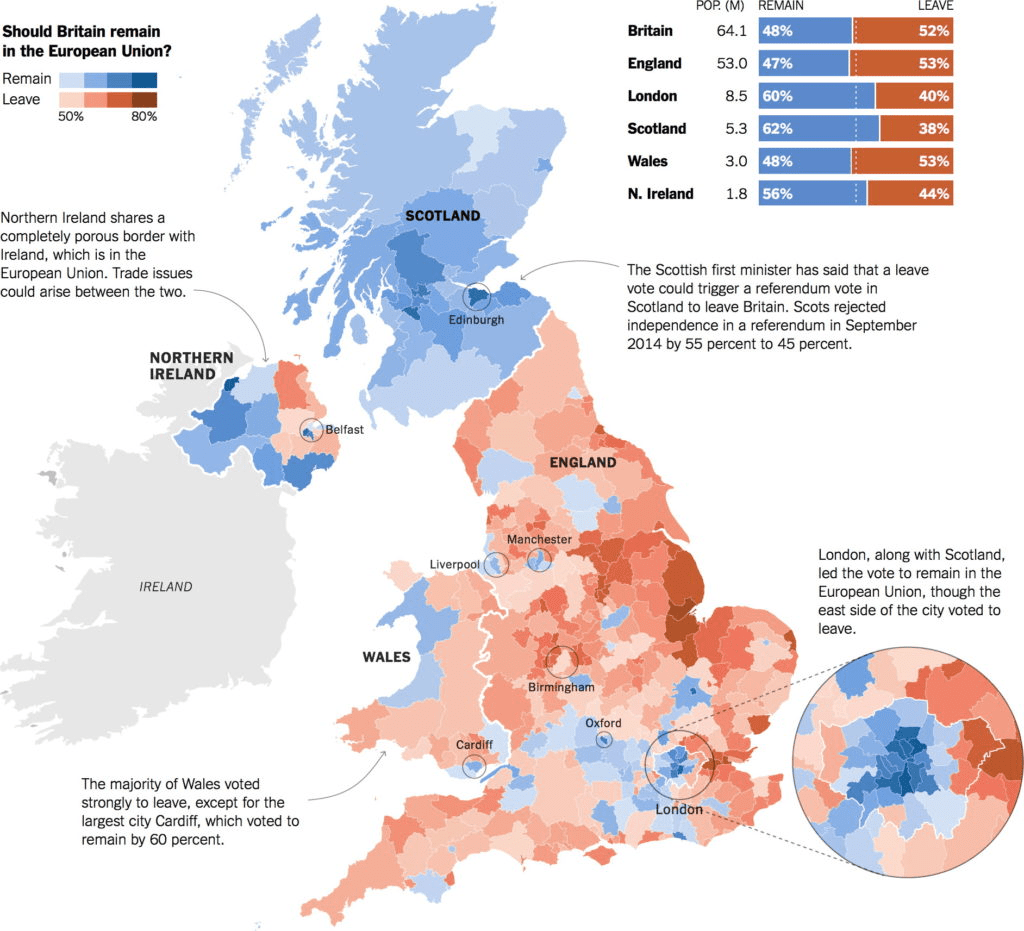
- Euroscepticism – A political stance skeptical of European Union policies or membership, often emphasizing national sovereignty.
- National sovereignty – A country’s authority to govern itself without external interference.
- The Troubles – A violent conflict in Northern Ireland (late 1960s–1998) between Catholic nationalists and Protestant unionists.
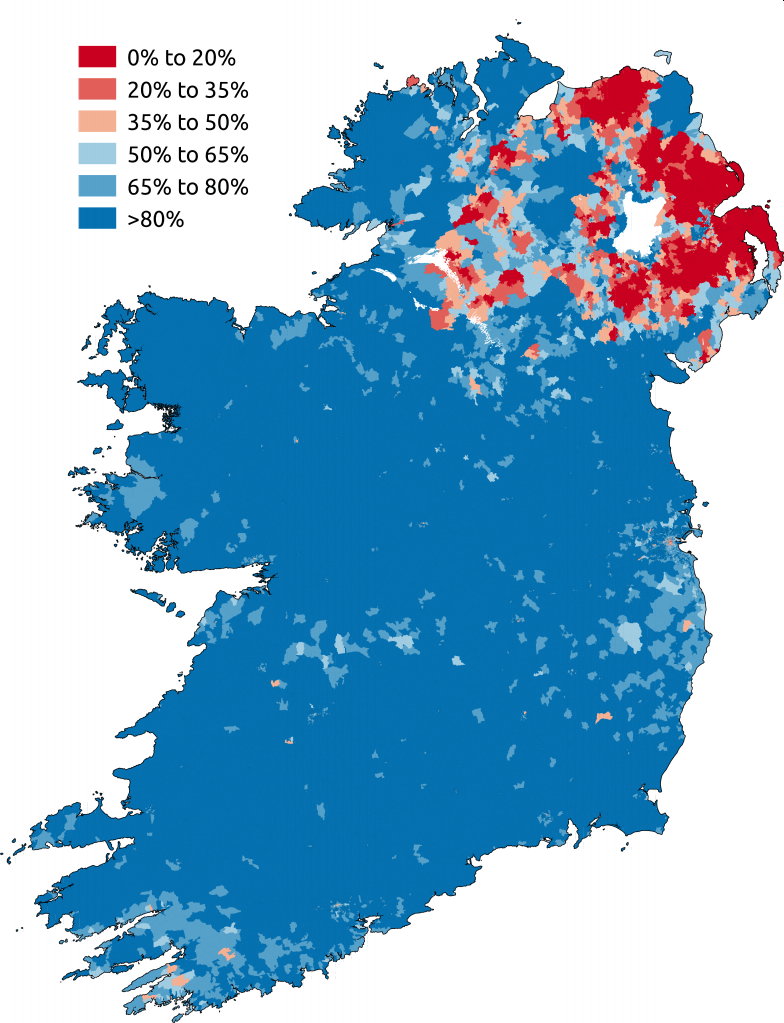
- Catholic nationalists – People in Northern Ireland who wanted to join the Republic of Ireland.
- Protestant unionists – People in Northern Ireland who wanted to remain part of the UK.
- Good Friday Agreement – A 1998 peace deal that helped end the conflict in Northern Ireland and set rules for political cooperation.
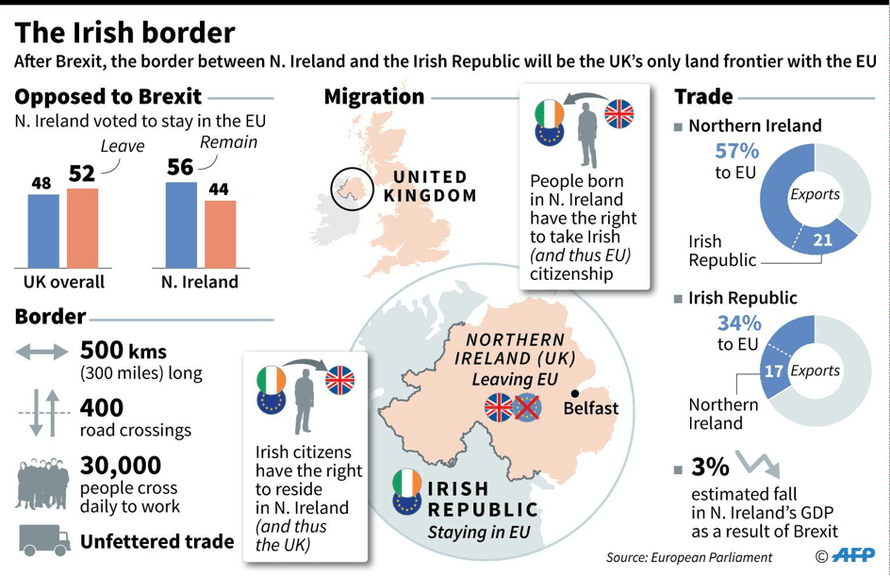
- Brexit – The process of the United Kingdom leaving the European Union, decided by a 2016 referendum.
- Northern Ireland Protocol – A Brexit agreement that puts customs and regulatory checks in the Irish Sea to avoid a hard land border.
- Unionists (Northern Ireland) – Residents who want Northern Ireland to stay part of the UK; concerned about separation caused by the Protocol.
- Sinn Féin – A nationalist political party in Northern Ireland advocating for unification with the Republic of Ireland.
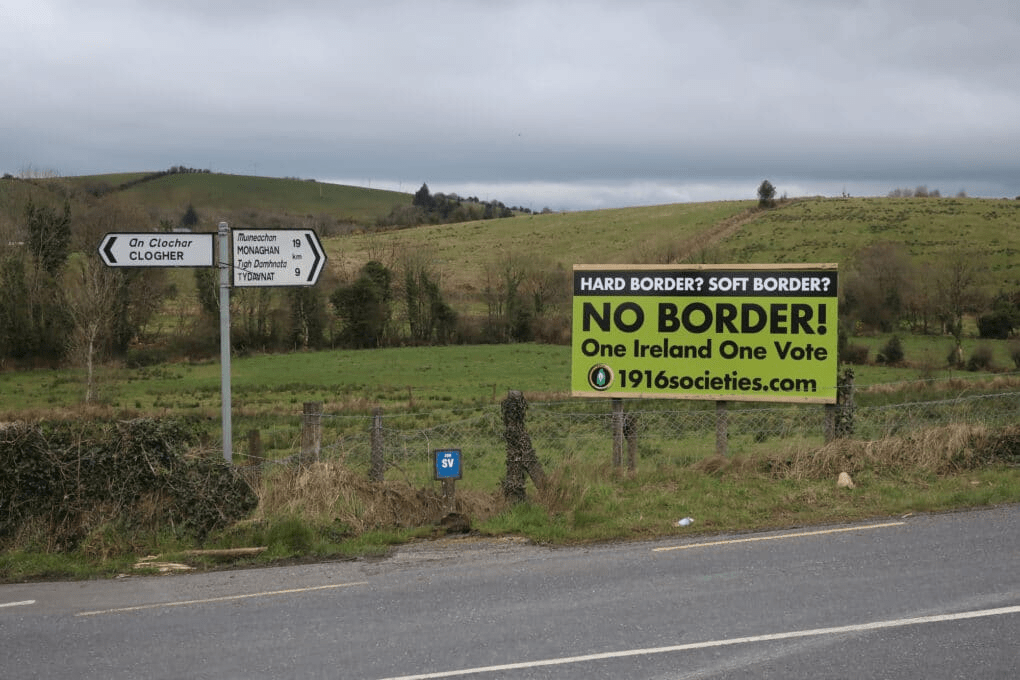
- Hard border – A border with strict customs and regulatory checks that can disrupt trade and movement.
- Trade disruption – Problems in the flow of goods and services caused by new rules, customs, or borders.
- Regulatory alignment – Ensuring that rules and standards are consistent between countries or regions to facilitate trade and cooperation.
- Political stability – A situation in which government, laws, and social order are consistent and predictable, reducing conflicts and uncertainty.
 Picard HG/HGGSP