I. A Global city
II. The Positive Impacts of Globalization
III. The Negative Effects: Inequality and Segregation
Main question
https://www.nature.com/articles/s41467-024-50347-4
Documents
Manhattan :
• Lower East Side
• East Village
• Greenwich Village
• Chelsea
• Hell’s Kitchen
• Upper West Side
• Harlem
• Financial District/Wall street
Brooklyn :
• Williamsburg
• Greenpoint
• Bushwick
• Bedford-Stuyvesant
Queens :
• Long Island City
• Astoria
• Jackson Heights
Bronx :
• South Bronx
• Fordham



A tourist’s journey
Write the story of a tourist visiting New York City for three days. Describe the neighborhoods where they walk and what makes each one unique. To do this, talk to your classmates who worked on different neighborhoods to learn about the special features of each area.
Use a map to show the tourist’s route around the city.
Deadline: Next week.
Voc :
- Global city – A city that influences international economic, political, and cultural trends.
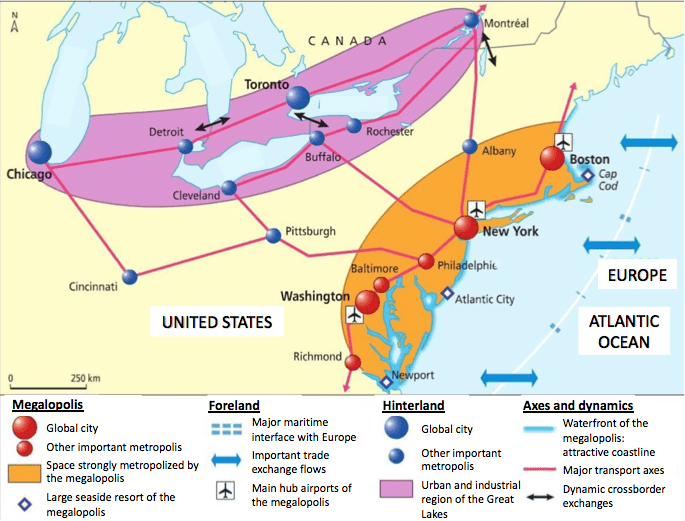
- BosWash corridor – A densely populated region from Boston to Washington, D.C., important for trade and transport.
- Borough – An administrative division of New York City (Manhattan, Brooklyn, Queens, The Bronx, Staten Island).
- Metropolitan area – A large urban area including a city and its surrounding suburbs or regions.
- Stock exchange – A marketplace where shares of companies are bought and sold (e.g., NYSE, NASDAQ).
- Multiculturalism – The presence and coexistence of multiple ethnic and cultural groups in a society.
- Globalization – The process of increasing international connections in business, culture, and communication.
- Economic leadership – A city’s role as a major center for finance, trade, and global business.
- Cultural influence – The ability of a city to shape art, fashion, media, and global cultural trends.
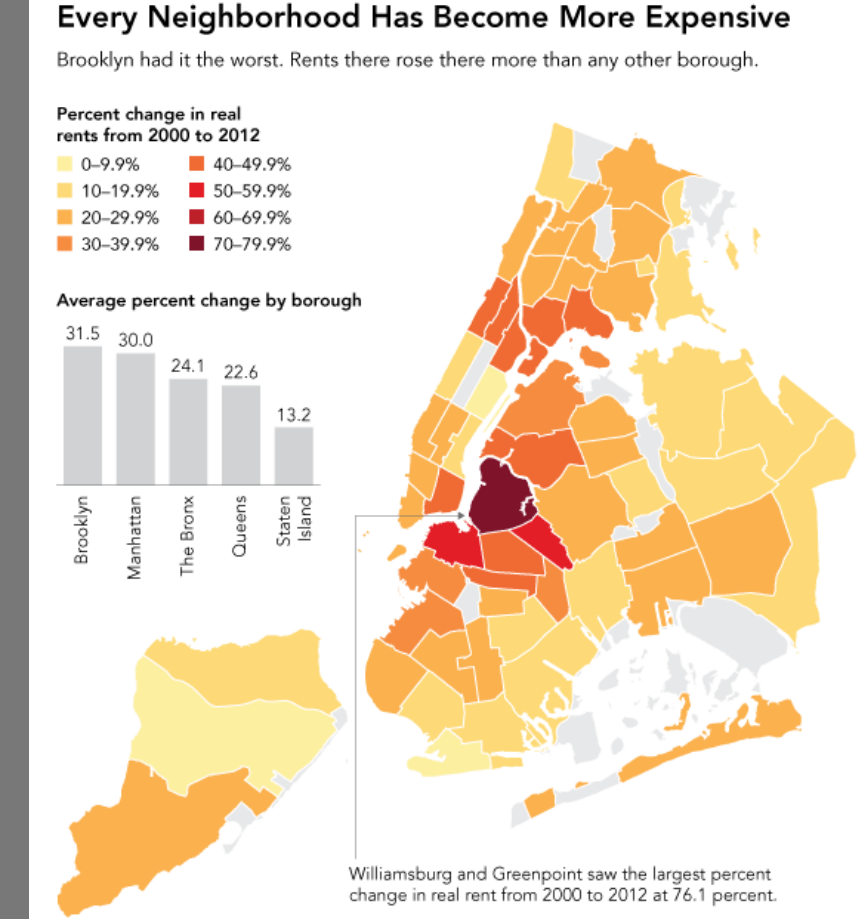
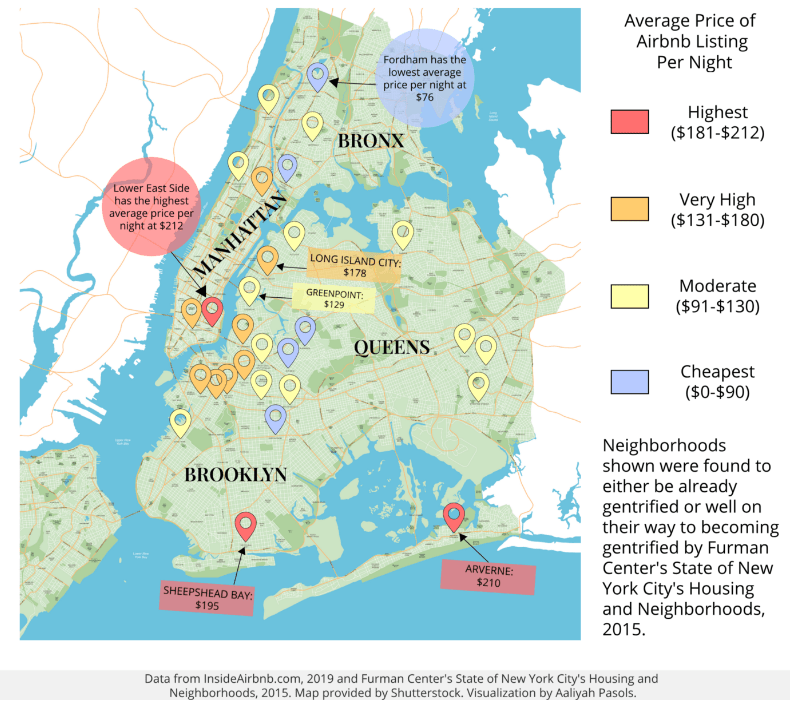
- Gentrification – When wealthier people move into poorer neighborhoods, raising housing costs and displacing locals.
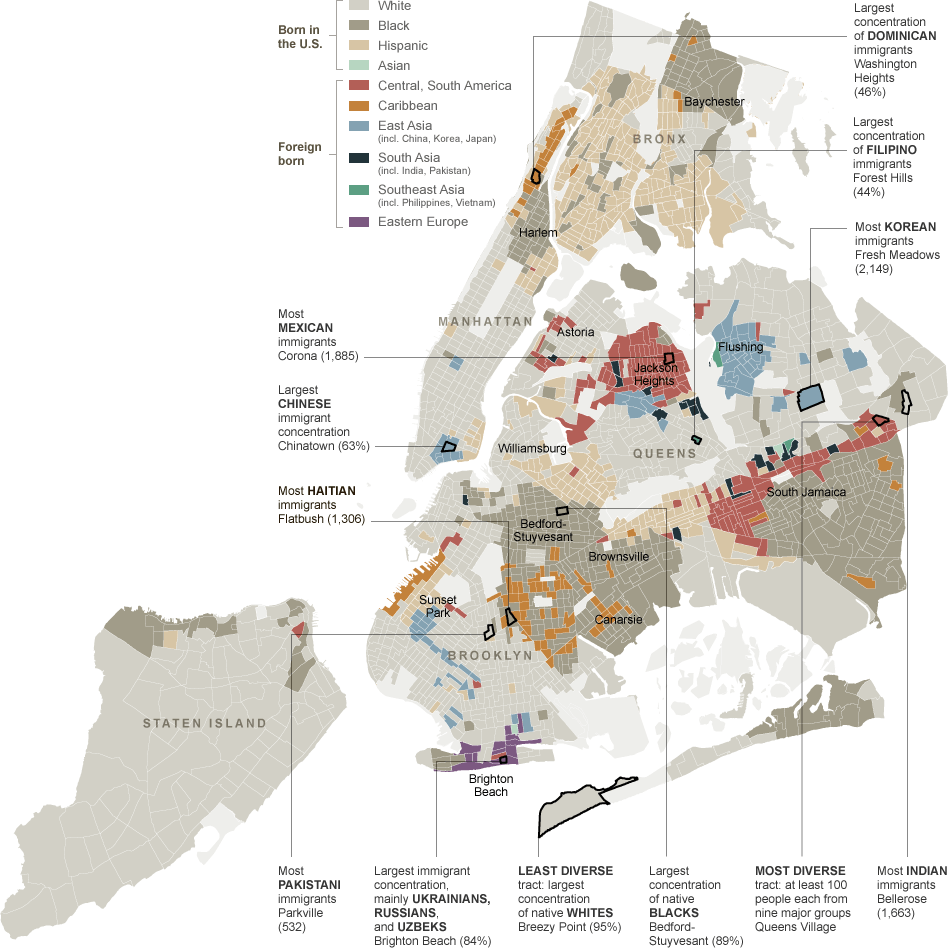
- Segregation – The separation of groups, often by ethnicity or social class, within a city.
- Poverty rate – The percentage of people living below the minimum standard of income.
- Housing crisis – When housing is too expensive or insufficient for the population.
- Environmental vulnerability – The risk a city faces from natural disasters or climate change.
- International organization – A group of countries or institutions working together worldwide (e.g., United Nations).
 Picard HG/HGGSP